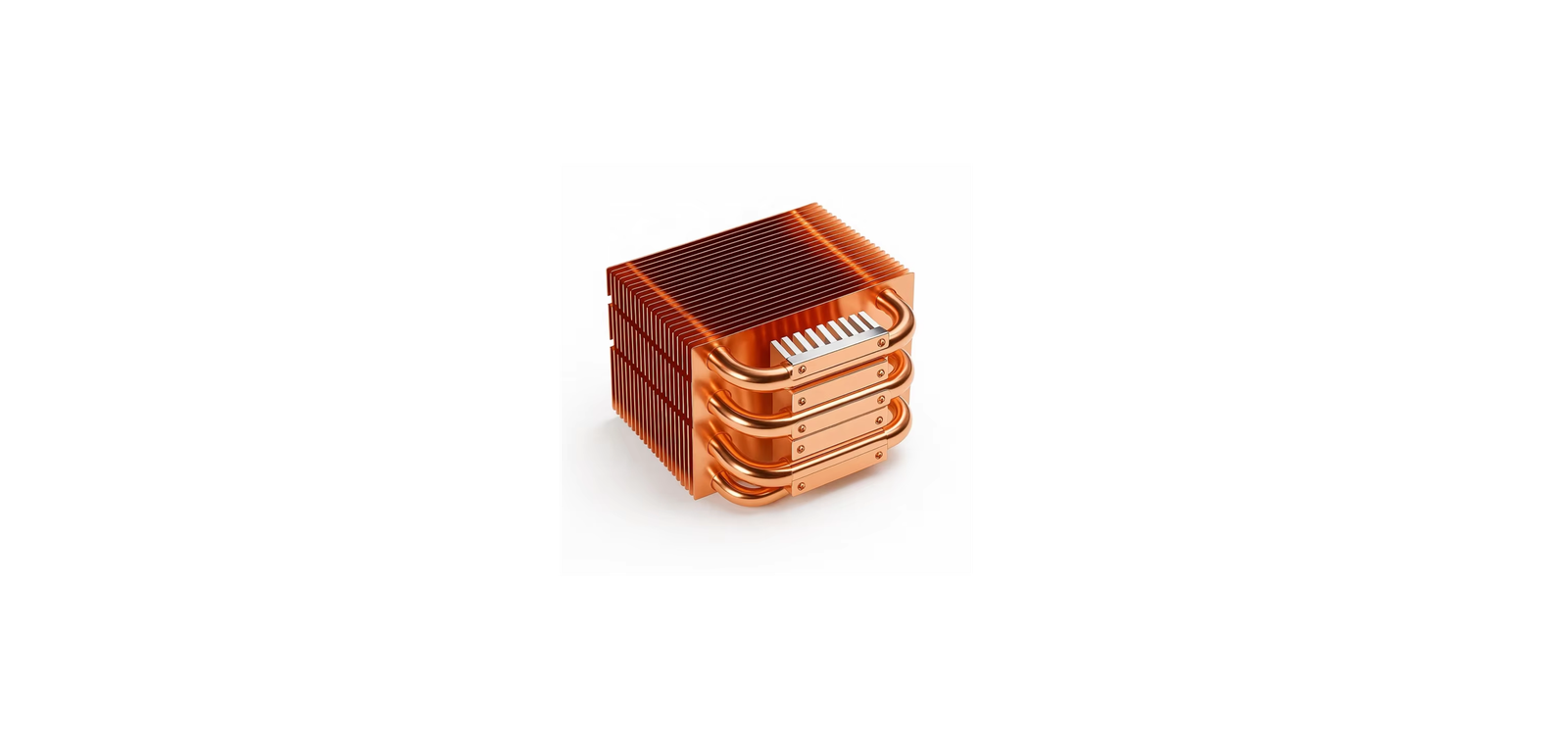
Special Purpose Hybrid — Heat Dissipation Material (Cu-based)
Heat dissipation composite material that combines copper's high thermal conductivity with the low thermal expansion of tungsten and ceramics to simultaneously achieve high thermal conductivity and CTE matching. It is possible to implement heat dissipation materials for high-power devices, ranging from W-Cu to CPC, Graphite-Cu, and Diamond-Cu, with lineup by thermal conductivity and weight class.
Active control technology of thermal properties (thermal conductivity, CTE) of copper-based heat dissipation composites
Lineup by grade: W-Cu / CPC / Graphite-Cu / Diamond-Cu
Simultaneously secures high thermal conductivity (electronic packaging requirement ~170-190 W/m·K) and low/tunable CTE
Thermal expansion matching per device by adjusting Cu content
Material selection available according to heat dissipation performance and weight requirements
High-power device packaging and heat sinks, EV battery pack heat dissipation parts
Partnerships with heat sink parts partners
Special Purpose Hybrid — Lightweight High Hardness Material (Fe-based TiC)
By applying Fe matrix composite control technology to TiC hard ceramics, it is possible to implement part materials with excellent wear resistance and lightweight characteristics in high temperature and high pressure environments.
Lightweight high-hardness composite material with TiC hard phase dispersed in Fe matrix
Excellent TiC-Fe interface bonding
About 1/2 lighter than tungsten carbide, higher hardness and wear resistance
Excellent high-temperature stability
Secures shape freedom of hard-to-machine materials with near-net-shape based on PIM
Automotive EGR parts, Turbo Charger parts, electric vehicle injectors, high temperature and high pressure wear-resistant parts
Cooperation with global automotive parts companies