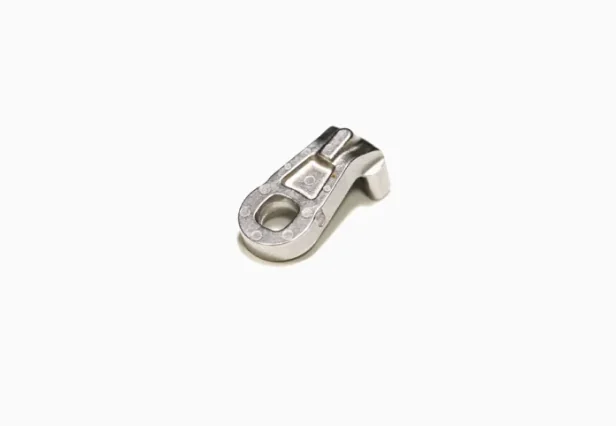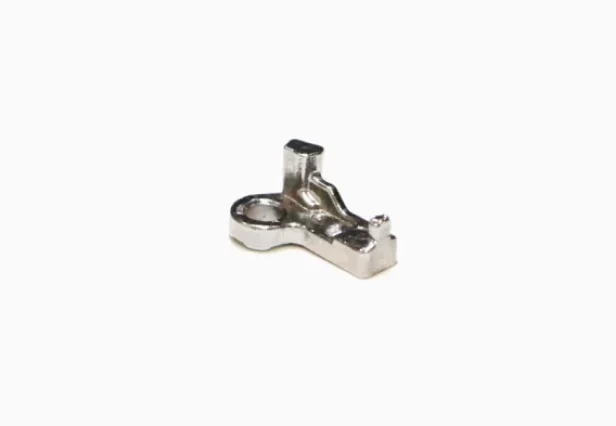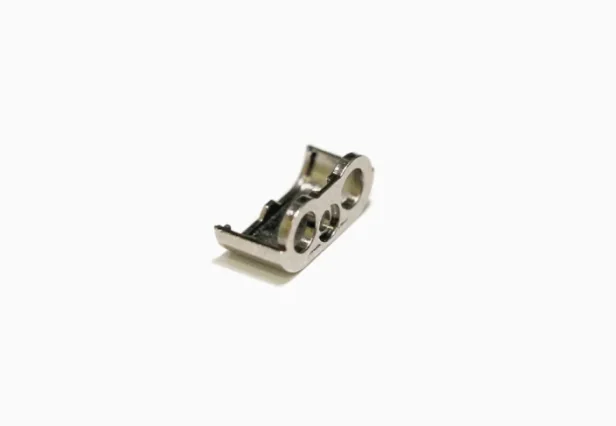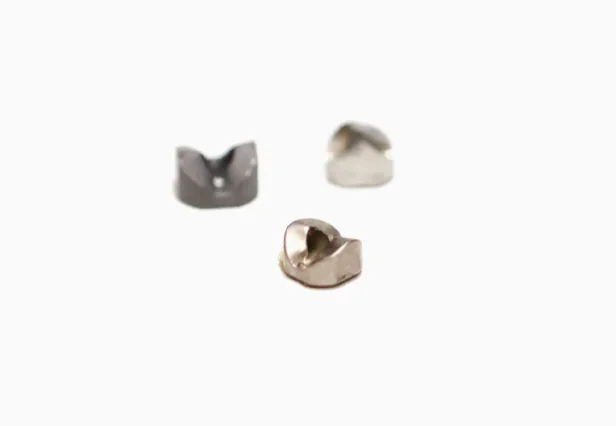
PIM Technology
Process of injection molding feedstock mixed with metal/ceramic fine powder and binder, followed by debinding and sintering. Technology for manufacturing complex-shaped net-shape or near-net-shape parts.
Secures high density and mechanical properties + excellent cost competitiveness
Balance of shape freedom and productivity
Cost reduction and quality innovation compared to MIM/PM
Minimizes post-processing work
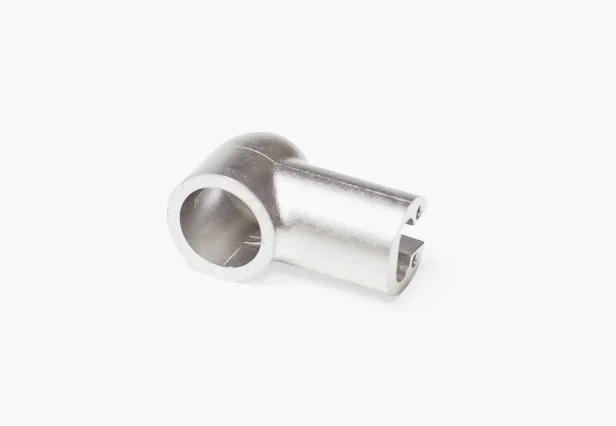
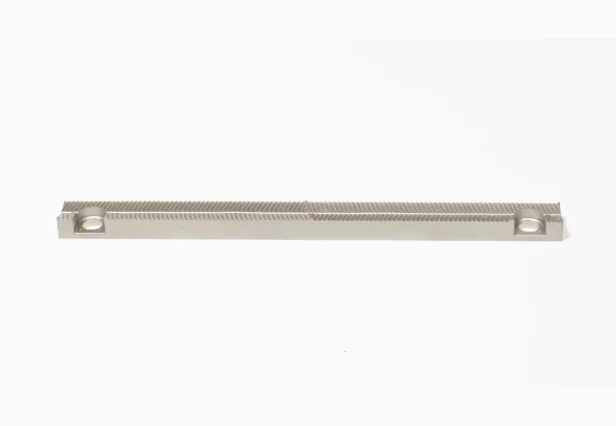
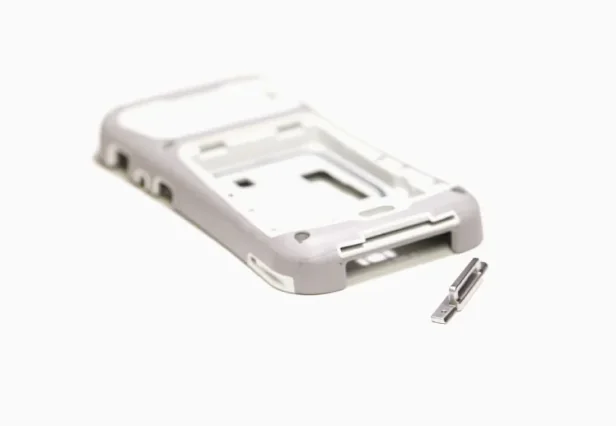
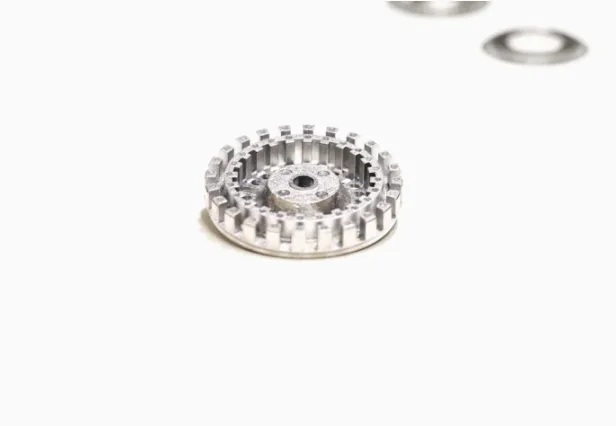
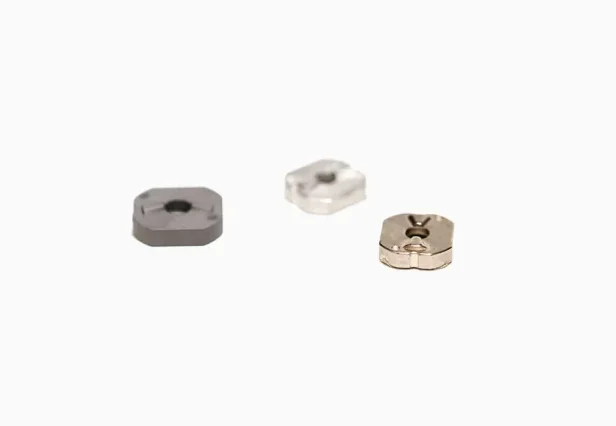
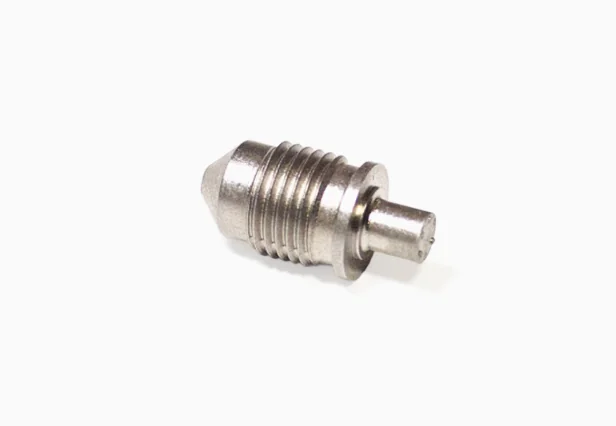
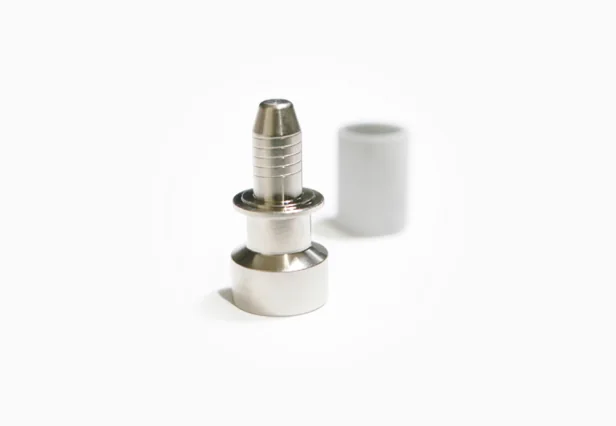
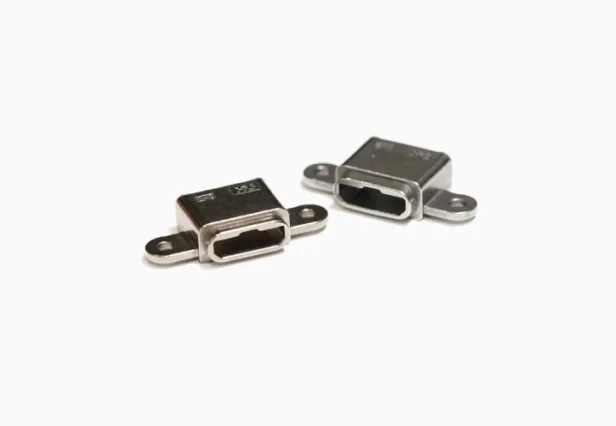
Ultra-compact precision parts such as U-SIM Tray, Laptop Hinge, Guitar String Parts, ultra-compact mechanisms for smartphones and wearable devices
Property Comparison
Relative Density
Tensile Strength
Surface Roughness
Manufacturable Thickness
Shape Complexity
Design Flexibility
Production Capacity
Material Diversity
Manufacturable Weight
98%
100%
0.4 ~ 0.8μm
10 to 0.1mm
High
High
High Volume
High
0.1g to 100g
90%
70%
2μm
2mm
Low
Medium
High Volume
Medium
0.1g to 10kg
95~99%
98%
3μm
5mm
Medium
Medium
Low Volume
Medium
1g up
100%
100%
0.4~2μm
2mm
Low
Low
Low Volume
Medium
0.1g up
PIM Raw Materials
Low Alloy & Alooy Steels
Fe-Ni, AISI4140, 4130, 4340
Stainless Steels
Ferrtic
Type 403L
Ausenitic
Type 403L, 316L
Martensitic
Type 420, 440C
Precipitation
17-4PH, 15-5PH
Soft & Hard Magnetic
Fe-Ni, Fe-Si, Ni-Zn ferrite, Ba-ferrite
Controlled Expansion & Sealing Materials
Invar Fe-Ni, Kovar(F-15)
Controlled Expansion & Thermal Management
W-Cu
Tool Steels
M-2, M-4, D-2
Mediacal
Ni-Free Stainless Steels, Ni-ti
Heat Resistant Alloys
Type 310C, Pyromet 18, Hastaloy
Titanium
CP Ti, Ti-6AI-4V
Super-Hard Materials
Tungsten Carbides, WC-Co Cermets, TiC(N)
Ceramics
Alumina, Zirconia, SiC
PIM Parts Manufacturing Process

Raw Material
Metal, ceramic powder, composite polymer

Granulation
Kneading and granulating powder and composite polymer

Injection Molding
Green Parts processing at injection molding stage

De-Binding
Brown Parts stage for debinding binder

Sintering
Sintered Parts stage for final metal parts

Inspection
Final inspection to check defective products before shipment
![Knob [Micro Wave]](/images/parts-knob.webp)